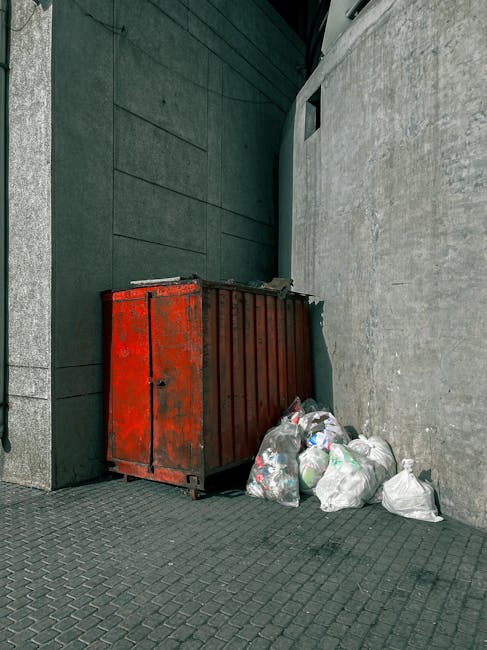
Hendon Central NW4: Street-by-street rubbish disposal guide
If you live, work, or manage property around Hendon Central NW4, rubbish disposal is rarely as simple as "put it out and forget it." Different streets create different access issues, collection timings, parking constraints, and waste volumes. A flat on a busy parade near the station does not have the same disposal needs as a house off a quieter residential road. That is exactly why this street-by-street rubbish disposal guide for Hendon Central NW4 matters: it helps you choose the right disposal method, avoid common mistakes, and keep the process tidy, legal, and efficient.
In practice, people in this part of north London tend to deal with a mix of household rubbish, bulky items, loft clear-outs, furniture disposal, garden waste, and small renovation debris. Some jobs are simple. Others need a bit of planning. This article walks you through the local realities, the smartest ways to handle different types of waste, and when it makes sense to use a professional service such as waste removal in Hendon, house clearance, or furniture disposal. It is written for real-world use, not just theory.
Expert summary: The best rubbish disposal plan in Hendon Central NW4 is usually the one that matches the street, the access, and the waste type. Start with what needs to go, check how much space you have, and choose a disposal method that avoids unnecessary lifting, delays, or fly-tipping risks.
Why Hendon Central NW4 rubbish disposal matters
Hendon Central sits in a part of NW4 where property types vary significantly within a short distance. You will find flats above shops, terraced homes, converted buildings, and properties with tighter driveways or shared access. That mix changes how rubbish can be stored, moved, and collected. A method that works perfectly on one road can be awkward or inefficient on the next.
Street-by-street planning matters because disposal is affected by everyday conditions: where bins can be left, whether a van can stop safely, how easy it is to carry items from the front door, and whether you are dealing with loose rubbish or heavy, awkward objects. For example, a straightforward bagged clear-out from a first-floor flat is very different from removing a damaged sofa from a basement property with narrow stairs.
Local waste disposal also matters because poor handling creates avoidable problems. Overflowing bags, broken furniture, or rubble left by the kerb can become a nuisance quickly. In the worst cases, the wrong approach can lead to blocked access, complaints from neighbours, or fly-tipping. If you want a broader view of responsible disposal and reuse, the team's recycling and sustainability guidance is worth a read because it helps frame disposal as part of a wider environmental choice, not just a one-off chore.
There is also a simple human reason this matters: nobody wants rubbish hanging around longer than necessary. A clear, efficient plan keeps the property usable, improves appearance, and removes the background stress that comes with clutter. Let's face it, waste has a way of spreading across a room much faster than you expected.
How Hendon Central NW4 rubbish disposal works locally
The process usually starts with one question: what kind of waste do you actually have? Once you know that, you can work out whether the job is best handled by your normal household collection, a one-off rubbish removal service, a skip, or a more targeted clearance such as flat clearance or home clearance.
In a local context, disposal generally falls into a few broad categories:
- Bagged household rubbish such as general refuse, packaging, or unwanted household items.
- Bulky waste such as sofas, wardrobes, mattresses, tables, or broken appliances.
- Mixed household clear-outs where the job includes a combination of small waste, furniture, and personal items.
- Heavy or messy waste such as soil, wood, tiles, or renovation debris.
- Commercial or office waste where documents, desks, chairs, and storage items need sorting and removal.
What makes Hendon Central different is not the waste itself, but how the waste needs to be removed. Access can be tight. Parking can be limited. Some buildings have stairs, lifts, or shared hallways that make timing important. A good disposal plan respects those realities instead of pretending they do not exist.
A professional service often begins with a description of the items, an estimate of volume, and a note about access. On arrival, the team typically assesses the load, confirms what is included, and clears the waste for sorting and disposal. If you are managing offices or shared premises, office clearance and business waste removal can be especially helpful because they reduce disruption and keep the job moving in a controlled way.
Key benefits and practical advantages
A good rubbish disposal plan is about more than getting items off the property. It saves time, reduces strain, and makes the whole process more predictable. That sounds obvious, but the practical difference is big.
1. Less disruption
When waste is cleared properly and at the right time, it does not sit in hallways, driveways, or front gardens waiting for a solution. That matters in busy streets where space is shared and neighbours notice everything.
2. Better use of space
A flat or house can feel instantly more manageable once bulky items and clutter are gone. This is especially useful before moving, renovating, renting, or selling.
3. Lower manual effort
Heavy lifting is one of the biggest hidden costs of poor planning. Using the right method reduces strain and helps avoid damage to walls, stairs, or floors.
4. Cleaner presentation
For landlords, agents, shop owners, and anyone preparing a property for viewings or handover, fast disposal creates a much better first impression.
5. More responsible handling
Not everything should go straight to landfill. Reuse, sorting, and recycling matter, especially for furniture and reusable household items. Services such as furniture clearance and furniture disposal can help separate what can be recovered from what truly needs disposal.
There is also a practical benefit that tends to be underestimated: fewer decision points. Once the waste is described clearly and the route is planned, the job becomes much easier for everyone involved. That alone saves stress.
Who this guide is for and when it makes sense
This guide is useful if you are dealing with rubbish in Hendon Central NW4 and want a method that fits the property, the street, and the scale of the job.
You may find it especially relevant if you are:
- a tenant clearing out before moving
- a landlord preparing a flat for new occupants
- a homeowner dealing with accumulated clutter
- a family member helping with an estate or probate clear-out
- a business owner replacing office furniture or equipment
- a builder or tradesperson managing light renovation waste
- someone with a loft, garage, or garden that has become a storage zone by accident
It also makes sense if you are weighing up whether to do it yourself or bring in help. For smaller rubbish jobs, DIY disposal can be fine. For larger loads, awkward stairs, or time-sensitive clear-outs, a professional approach is often the calmer choice. If your job involves stored items in the attic or loft, loft clearance can be a much better fit than trying to carry everything down in stages over a weekend.
A practical rule of thumb: if the waste will take several trips, if it includes anything heavy or awkward, or if you need the space cleared by a fixed deadline, start thinking beyond bin bags and skip-sized assumptions.
Step-by-step guidance
Here is a straightforward approach that works well for most properties in Hendon Central NW4.
- Identify the waste type. Separate general rubbish, furniture, electrical items, garden waste, and builder-style debris. Mixed waste is possible, but it needs clearer planning.
- Estimate the volume. A few bags is one thing. A room full of items is another. This affects vehicle size, labour, and time.
- Check access. Note stairs, lifts, narrow entrances, limited parking, or shared hallways. These details shape the disposal method.
- Sort what can be reused or recycled. Many items do not need to be treated as disposable straight away. Some can be resold, donated, or recycled responsibly.
- Choose the disposal method. Decide between council collection, self-haul, skip hire, or a professional clearance service.
- Prepare the items. Bag loose waste, flatten where sensible, and keep sharp or fragile materials safe.
- Clear in a logical order. Remove easy items first, then bulky pieces, then anything awkward or heavy.
- Inspect the area afterwards. Check corners, under furniture, cupboards, loft edges, and outdoor spaces so nothing is missed.
For mixed domestic clear-outs, it helps to think in zones: kitchen, living room, bedrooms, loft, garage, garden. That keeps the process tidy and avoids the common mistake of moving the same item twice. If you want support for a full-property job, house clearance and home clearance are both worth considering.
Expert tips for better results
Small details make a large difference. The best rubbish disposal jobs are not usually the fastest; they are the most organised.
Tip 1: Work from the exit backwards.
Clear items nearest the door first. That creates space for sorting and reduces trip hazards. It is a simple trick, but it helps.
Tip 2: Keep reusable items separate.
Furniture, usable appliances, and clean household goods should not automatically be mixed with general waste. If the item still has life left in it, separate it early.
Tip 3: Protect the route.
Hallways and stairwells can be damaged by dragging. Use moving blankets, gloves, or simple floor protection where needed.
Tip 4: Plan for awkward shapes.
A mattress, wardrobe, or broken desk may need to be turned, carried sideways, or dismantled. That is much easier to do before you are under pressure.
Tip 5: Ask about sorting standards.
A reputable provider should be comfortable explaining what happens after collection, especially for recyclable or reusable items. If environmental handling matters to you, the sustainability approach is a good reference point.
Tip 6: Match the service to the street.
A property on a busier road may benefit from a quicker, tightly scheduled visit. A quieter cul-de-sac may allow more flexible loading. The point is to work with the street, not against it.
In our experience, the smoothest clear-outs happen when the customer spends ten minutes sorting first. That small bit of preparation can save a surprising amount of time on the day.
Common mistakes to avoid
Most rubbish disposal problems are avoidable. A few common missteps create most of the headaches.
- Leaving sorting until the last minute. Mixed piles take longer to assess and more time to clear.
- Underestimating access problems. Narrow staircases, low railings, and limited parking can change the whole job.
- Assuming all waste is the same. Builder's rubble, electrical items, garden waste, and general rubbish are handled differently.
- Putting heavy items out without a plan. This can create safety issues or block shared areas.
- Forgetting about recycling. Many items have a better destination than the general waste stream.
- Choosing a service on price alone. Low quotes can be misleading if they exclude labour, loading, or proper disposal.
- Using unlicensed or unclear operators. If waste is mishandled after collection, the original owner can still face trouble in some situations.
A particularly common local issue is trying to dispose of more than a property can safely handle in one go. If the place is full from loft to hallway, it is often better to split the job by zone or use a full-service clearance route. For heavier, messier, or renovation-related waste, builders waste clearance is usually more suitable than a general rubbish solution.
Tools, resources and recommendations
You do not need specialist equipment for every rubbish disposal job, but a few basics make things easier and safer.
- Sturdy gloves for handling sharp edges or dusty items
- Heavy-duty bags or boxes for loose waste and smaller items
- Marker labels to separate keep, donate, recycle, and dispose piles
- Moving straps or a sack barrow for heavier items
- Blankets or floor protection for hallways and stairs
- A tape measure for checking whether furniture can be carried out whole or needs dismantling
For people who want a simple next step, it helps to review service pages before booking. If you are dealing with one room, a whole home, or a business premises, the most relevant pages are often flat clearance, house clearance, office clearance, or general waste removal. These pages help you match the right service to the job instead of guessing.
For trust and reassurance, it is also sensible to look at health and safety guidance and insurance and safety information. They matter more than people think, especially for jobs involving awkward lifting, shared access, or valuable property interiors.
Law, compliance, standards and best practice
This section is not legal advice, but it is worth being careful. In the UK, waste should be handled responsibly, transferred to an appropriate carrier where needed, and taken to a lawful facility or treatment route. As a practical matter, you should never assume that waste is being disposed of correctly just because someone is willing to collect it.
Best practice in Hendon Central NW4 means:
- using a clear, traceable disposal arrangement
- separating hazardous, electrical, and general waste where appropriate
- avoiding obstruction of pavements, entrances, and shared access routes
- minimising fly-tipping risk by choosing reputable operators
- checking what is excluded before collection day
For households, that usually means being sensible about what goes in the pile and where it goes afterwards. For businesses, there is often a wider duty of care approach to think about, particularly when regular waste streams are involved. If you are managing commercial premises, business waste removal can help bring some order to what can otherwise become a messy compliance issue.
It is also worth noting that good operators should be transparent about pricing, payment, and terms. Pages such as pricing and quotes, payment and security, and terms and conditions are useful indicators of how seriously a provider treats the customer experience.
Options and comparison table
Different waste jobs call for different methods. The right answer depends on how much there is, where it is, and how quickly it needs to go.
| Method | Best for | Advantages | Limitations |
|---|---|---|---|
| Household bins / normal collection | Small, routine rubbish | Simple, familiar, low effort | Not suitable for bulky or oversized waste |
| Self-haul to a facility | Smaller loads with transport available | Direct control over timing | Requires time, vehicle space, and unloading effort |
| Skip hire | Project waste, ongoing clear-outs | Useful for gradual loading | Needs space, permits may be needed, not ideal for many streets |
| Professional rubbish removal | Mixed loads, bulky items, time-sensitive jobs | Fast, loaded for you, less physical strain | Cost varies with volume and access |
| Specialist clearance | Full properties, furniture, office, loft, garage, garden | Tailored to the job and often more efficient | May be more than you need for very small loads |
If you are unsure, a professional assessment often saves time. It is usually easier to say, "This is a two-room clear-out with one sofa and some bags," than to discover halfway through that you need a different plan entirely. For furniture-heavy jobs, furniture clearance is a practical option to compare.
Real-world example
Here is a typical scenario from Hendon Central NW4. A resident in a second-floor flat near the station is moving out and has a mixture of items: one bed frame, a mattress, three suitcases of clothing, a small bookcase, kitchen clutter, and several bagged items from a cupboard clear-out.
The first instinct might be to treat everything as generic rubbish. That would work, but not efficiently. A better approach is to divide the job into three groups:
- Keep or move: clothing, documents, anything needed for the move
- Donate or reuse: the bookcase if it is still usable
- Dispose: damaged mattress, broken items, worn-out kitchen waste, unwanted packaging
Because the flat is upstairs and parking is limited, a professional service makes more sense than multiple personal trips. The items are then removed in one visit, with the heaviest pieces taken first so the room is cleared quickly. The resident avoids dragging a mattress down stairs alone, the hallway stays cleaner, and the property is ready for handover sooner.
That is the real value of street-aware rubbish disposal: not just removing objects, but reducing friction. In a busy area, the difference between a messy, prolonged clear-out and a controlled, well-paced one can be huge.
Practical checklist
Use this checklist before you book or begin a disposal job in Hendon Central NW4.
- Have I identified the waste type clearly?
- Do I know roughly how much there is?
- Have I checked stairs, lifts, and access routes?
- Do I need help with heavy lifting?
- Are any items reusable, recyclable, or sensitive?
- Have I separated general waste from furniture or builder's debris?
- Is there a sensible place for collection or loading?
- Do I understand the likely timing and duration?
- Have I reviewed pricing, exclusions, and payment details?
- Is the operator or method suitable for the street and property type?
If you are clearing a garden, garage, or storage area, it can also help to use specialist pages such as garden clearance and garage clearance rather than trying to force everything into a generic plan.
Conclusion
Rubbish disposal in Hendon Central NW4 works best when it is planned around the street, the property, and the type of waste involved. A one-size-fits-all approach rarely performs well here. Narrow access, mixed property styles, and different waste volumes all reward a more thoughtful strategy.
Whether you are clearing a flat, emptying a family home, removing office items, or dealing with bulky furniture, the key is to match the method to the job. That means sorting early, checking access, avoiding unsafe lifting, and choosing a disposal route that is both practical and responsible. If you get those basics right, the rest becomes much easier.
If you want support with a local clearance, it is sensible to compare the most relevant service pages and ask for a quote based on the actual volume and access conditions. That is usually the quickest route to a clean result without wasted effort.
Get a free quote today and see how much you can save.
Frequently Asked Questions
What is the best rubbish disposal option for a flat in Hendon Central NW4?
For a flat, the best option is often a professional rubbish removal or flat clearance service, especially if there are stairs, limited parking, or bulky items. It reduces lifting and saves time.
Can I put bulky furniture out with my normal rubbish collection?
Usually not. Bulky items such as sofas, wardrobes, and mattresses typically need a separate collection route or a specialist disposal service.
How do I know if my waste needs specialist handling?
If it includes heavy materials, electrical items, large furniture, or mixed clear-out waste, specialist handling is often more suitable. When in doubt, describe the items clearly before booking.
Is street access really that important for waste removal?
Yes. Access affects loading time, vehicle choice, safety, and how quickly the job can be completed. In busy or narrow streets, it can make a big difference.
What if I only have a few bags of rubbish?
A small amount of bagged rubbish may be manageable through normal household disposal. If the bags are mixed with awkward items or you need them removed quickly, a small-load waste removal service may still be worthwhile.
Do I need to separate recycling before a clearance?
It is a good idea. Separating reusable and recyclable items helps reduce waste and may make the collection more efficient. Furniture and cardboard are common examples.
What happens to the waste after collection?
That depends on the service and the type of material. Responsible operators sort items for reuse, recycling, or lawful disposal where appropriate.
How far in advance should I book a rubbish removal job?
If you have a deadline, book as early as possible. For larger clear-outs, a little planning helps ensure the right vehicle and enough labour are available.
Can a clearance service handle loft or garage waste?
Yes, many can. Loft clearance and garage clearance are common jobs, especially where items have built up over time and need sorting, carrying, and loading.
What should I ask before accepting a quote?
Ask what is included, how access affects the price, whether labour and loading are covered, and what happens to reusable or recyclable items. Clear answers are a good sign.
Are there risks in using a cheap waste collector?
There can be. If the provider is not transparent about disposal or does not handle waste properly, you could face avoidable problems. It is worth choosing a trustworthy operator with clear policies.
What is the quickest way to clear a mixed household load?
The quickest route is usually to sort the load by type, clear the easy items first, and use a service suited to mixed waste rather than trying to handle everything as separate trips.