Hendon High Street rubbish collection options NW4: a practical guide for homes, flats and businesses
If you are trying to sort out Hendon High Street rubbish collection options NW4, you are probably dealing with one of those jobs that looks simple until you actually start. A few black bags become a hallway full of awkward items. A broken sofa sits by the wall. Builders' offcuts pile up faster than you expected. Or maybe it is just a business unit that needs clearing before opening hours, and the clock is not being very kind.
This guide breaks down the realistic ways to get rubbish collected around Hendon High Street, what each option suits best, where the common headaches are, and how to make a clean, sensible choice without overthinking it. We will also cover practical compliance points, comparison factors, and a checklist you can use before booking anything. Let's make it straightforward.
Why Hendon High Street rubbish collection options NW4 Matters
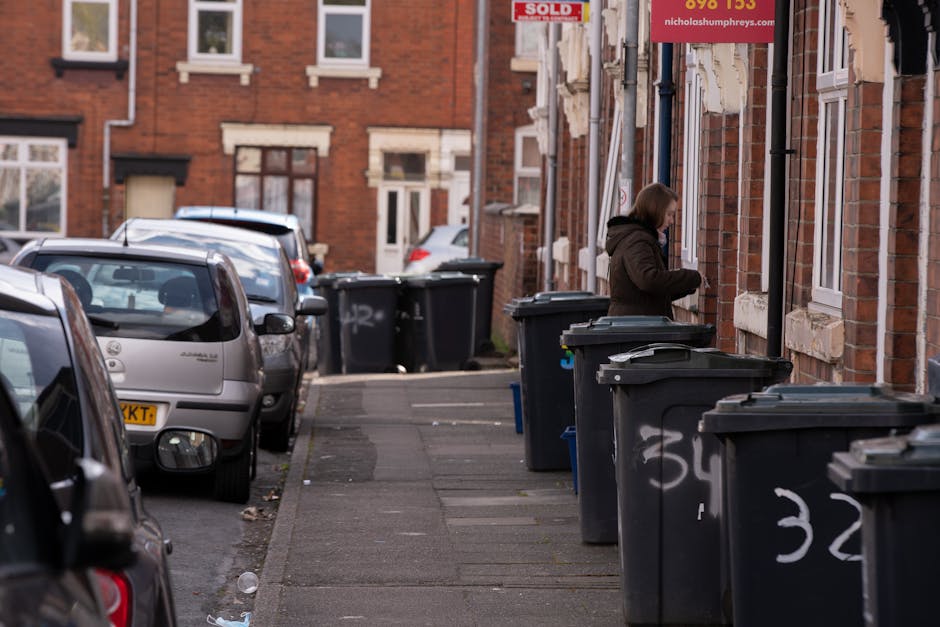
Hendon High Street is a busy stretch, and that matters. Narrow access, shared entrances, parking pressure, and the simple reality of people and vehicles moving all day can make rubbish collection more complicated than it sounds. In NW4, choosing the right method is less about "getting rid of stuff" and more about finding the least disruptive, most reliable way to do it.
That is especially true if you are clearing bulky items, mixed waste, office clutter, or a full room after a move. Leaving bags outside and hoping for the best can create fly-tipping risks, neighbour complaints, or missed collections. On a busy street, one wrong decision can quickly become a problem everyone notices. And nobody wants that lingering on the pavement for long.
There is also the practical side. Some waste needs careful handling, some items are reusable, and some situations call for a method that is faster than a standard bin collection. For example, a landlord clearing a flat between tenancies will need a different approach from a cafe dealing with packaging, broken shelving, and old fixtures. Same street, very different needs.
If you want a service that can handle mixed loads, furniture, or property clearances as well as general rubbish collection, it helps to understand the wider service family too. Pages like waste removal, house clearance, and office clearance show how different types of waste are usually handled in practice.
How Hendon High Street rubbish collection options NW4 Works
In plain English, rubbish collection usually follows one of a few routes: scheduled local collection, private collection on request, skip-based removal, or a specialist clearance service. Which one fits depends on the waste type, the amount, how quickly you need it gone, and whether the site is easy to access.
For a high street location, access matters almost as much as volume. Can a vehicle stop nearby without causing a fuss? Is there a lift, rear entrance, service yard, or just a front door and a tight pavement? These little details can affect the whole job. To be fair, they often decide it before anyone has even looked at the items.
A good rubbish collection process usually looks like this:
- You describe what needs removing, including rough volume and item types.
- The collector assesses access, timing, and any handling issues.
- A quote or estimate is provided, sometimes after photos or a site visit.
- The collection is booked for a suitable time, ideally when disruption is lowest.
- The team removes, loads, and sorts the waste for disposal or recycling.
- Any reusable or recyclable material is separated where practical.
If you are dealing with awkward furniture, mixed domestic waste, or a roomful of clutter, it is worth looking at related services such as furniture clearance, furniture disposal, or home clearance. Those services often fit the same customer journey as rubbish collection, just with a more specific focus.
One practical tip: be honest about what is there. If you understate the load, the job can become slower and more expensive than expected. If you overstate it wildly, you may pay for capacity you do not need. Somewhere in the middle is usually where the real answer lives.
Key Benefits and Practical Advantages
The biggest benefit is simple: less hassle. But there are a few more specific advantages worth spelling out, because in real life those are the things people actually feel.
- Speed: useful when you need a fast turnaround for a moving date, handover, inspection, or shop opening.
- Convenience: you do not have to organise a vehicle, lifting equipment, or a few exhausting trips up and down stairs.
- Flexibility: works better for mixed waste and bulky items than standard bag-by-bag disposal.
- Reduced disruption: especially important on a busy road like Hendon High Street where timing and access matter.
- Better sorting: specialist teams are more likely to separate recyclable materials and handle items responsibly.
- Less risk of damage: a trained crew is less likely to chip walls, scratch floors, or block the entrance with no plan.
There is also the mental relief factor. Anyone who has stared at a garage full of old chairs, boxes, and forgotten odds and ends knows the feeling. Once the collection happens, the space changes immediately. It is quieter. Lighter. You can breathe a bit easier.
For larger or more complex jobs, services like garage clearance, loft clearance, and builders waste clearance can be a better fit than trying to treat everything as general rubbish. That distinction matters more than people think.
Who This Is For and When It Makes Sense
This topic is not just for one type of customer. It is for anyone in NW4 who needs reliable removal rather than "we will see what happens on bin day." That includes:
- homeowners clearing out stored junk, old furniture, or post-renovation waste
- tenants moving out and needing a quick tidy-up
- landlords preparing a flat or house for new occupants
- local businesses dealing with packaging, stockroom waste, or outdated equipment
- tradespeople needing construction debris removed without leaving the site messy
- people sorting one-off bulky items that are too awkward for standard collection
It also makes sense when access is a bit annoying. Not impossible. Just awkward enough to be a pain. Hendon High Street has enough of that, especially if you are juggling parking, neighbours, foot traffic, and time constraints all at once.
If you are clearing a flat, the service can overlap with flat clearance. If it is a business premises, then business waste removal or office clearance may be more suitable. The point is to match the method to the load, not just the postcode.
Expert summary: the best rubbish collection option is usually the one that balances access, speed, waste type, and proof of responsible disposal. Simple enough to say, but that four-part balance is where the good decisions happen.
Step-by-Step Guidance
If you want to avoid headaches, follow a simple booking process. Nothing fancy. Just the kind of planning that saves you a second call later.
- Sort the waste into broad groups. Separate furniture, general rubbish, green waste, builders' waste, and anything hazardous or specialist. You do not need museum-level precision, just a sensible split.
- Measure roughly. Count bags, estimate room space, or take a few photos. A quick visual guide is often enough for a realistic quote.
- Check access. Think about stairs, lifts, narrow corridors, parking restrictions, and whether items need to come through shared areas.
- Decide what must go first. If there is a deadline, mention it early. End-of-tenancy jobs and commercial clearances often run on hard timelines.
- Ask how the waste will be handled. You want to know whether items are reused, recycled, or disposed of appropriately.
- Confirm the booking details. Timing, estimated load, payment method, and any site instructions should be clear before anyone arrives.
- Prepare the space. Keep exits open, separate anything staying behind, and make sure fragile items are clearly marked.
Small preparation steps matter. They save time on site, and time is usually the thing nobody has enough of. Especially not on a weekday morning when the street is already busy and someone is trying to park a van in the one difficult space available. You know the scene.
Expert Tips for Better Results
Here is where a little local experience helps. A smooth collection is rarely about luck. It is usually about preparation and asking the right questions.
- Book earlier in the day if possible. Traffic, deliveries, and pedestrian flow tend to get more difficult as the day goes on.
- Be specific about bulky items. A wardrobe is not just "one item" if it needs dismantling in a tight hallway.
- Separate reusable furniture. If a chair, table, or cabinet still has life left in it, say so. It may affect how the job is handled.
- Keep a quick photo record. A before-and-after view is useful if you need to confirm what was removed.
- Ask about recycling practices. Responsible providers should be able to explain their approach in plain English.
- Protect floors and walls. A bit of cardboard, dust sheets, or a cleared route can prevent small scuffs that become annoying later.
One slightly nerdy but useful tip: if you are comparing quotes, compare what is actually included. Some prices look tidy until you realise they exclude labour upstairs, item dismantling, or awkward access. The number on the page is not always the number in the end. Annoying, yes. Common, also yes.
For readers who care about sustainability, the page on recycling and sustainability is a good internal reference point when you want to understand the responsible side of the process.
Common Mistakes to Avoid
Most rubbish collection problems are avoidable. They come from rushed assumptions more than anything else.
- Leaving waste outside too early. On a busy high street, that can create complaints or block foot traffic.
- Mixing hazardous items with general waste. Paint, chemicals, sharps, and certain electrical items need extra care.
- Not checking access beforehand. A small lift or a tight stairwell can completely change the job.
- Forgetting about parking. It sounds minor until a vehicle cannot stop close enough.
- Choosing the cheapest option without checking service scope. Cheap can be fine. Cheap and vague is where problems begin.
- Assuming everything will be recycled automatically. Good collectors sort carefully, but not every material is reusable or recyclable.
Another classic mistake is underestimating the amount of stuff a property hides. Cupboards, lofts, garages, under-stair storage, the back of a shop... they all have a habit of producing more rubbish than expected. Rather inconvenient, honestly.
Tools, Resources and Recommendations
You do not need specialist equipment to prepare for collection, but a few simple tools make life easier. Think practical, not fancy.
- Phone camera: take clear photos of the waste and access points.
- Measuring tape: useful for bulky furniture, doorways, or stair widths.
- Marker pen and tape: label what stays and what goes if multiple people are involved.
- Gloves and sturdy footwear: especially for sorting mixed items before a collection.
- Boxes or sacks: handy for loose rubbish that would otherwise spill everywhere.
On the service side, it helps to know which page matches your situation best. For example, furniture disposal is useful if the main issue is a handful of bulky items, while home clearance is better when you are dealing with a fuller property. If the load is trade-related, builders waste clearance can be the right fit.
And if you are still unsure, compare your job against the service descriptions rather than guessing. A sofa, a broken wardrobe, and a box of mixed rubbish may all sit under "waste" in everyday speech, but in operational terms they can call for different handling. That is normal.
Law, Compliance, Standards, or Best Practice
For rubbish collection in London, the safest approach is to follow recognised UK waste-handling practice and use a provider that can explain where the waste goes and how it is managed. You do not need to become a compliance expert overnight, but a few checks are sensible.
Best practice usually means:
- waste is collected by a responsible operator
- items are not left obstructing pavements, entrances, or emergency routes
- potentially hazardous materials are handled separately where required
- reusable and recyclable items are separated where practical
- booking terms and payment details are clear before work starts
If you are a business, the bar is a little higher in the sense that you should be extra careful about traceability, storage, and site cleanliness. A neat back area matters more than people think, and not just for appearances. It helps with safety, workflow, and customer confidence.
You may also want to review practical pages such as health and safety policy, insurance and safety, terms and conditions, and payment and security if you want a better sense of how a professional service is structured. They are useful trust signals, not just formal pages tucked away in a footer.
Truth be told, most customers do not want a lecture on regulation. They just want confidence that the job will be handled properly. Fair enough. That is exactly what good practice should deliver.
Options, Methods, or Comparison Table
Here is a simple comparison of the main Hendon High Street rubbish collection routes. This is not about saying one is always better. It is about matching the method to the situation.
| Option | Best for | Strengths | Watch-outs |
|---|---|---|---|
| Local scheduled collection | Routine household waste | Simple, familiar, usually low effort | Limited capacity, less suited to bulky or urgent loads |
| Private rubbish collection | One-off mixed waste or bulky items | Flexible timing, useful for awkward jobs | Needs clear access and accurate description of the load |
| Specialist clearance service | Homes, flats, offices, garages, lofts | Handles larger or more varied clearances | May require more detail upfront, especially for access |
| Builders' waste collection | Construction or renovation debris | Better for heavy, messy, or mixed trade waste | Not ideal for general household rubbish |
| Furniture-focused removal | Sofas, wardrobes, tables, beds | Efficient for bulky single items or room clear-outs | May still need dismantling or access planning |
If you are choosing between these, ask yourself one honest question: what is the main problem I am trying to solve? Speed? Access? Bulk? Mixed material? Once you answer that, the right option becomes much easier to spot.
Case Study or Real-World Example
Imagine a small shop unit on Hendon High Street that has just changed hands. The new occupier wants the place ready by Monday morning. Inside are old shelving units, cardboard, a damaged desk, a few heavy bags of general rubbish, and some random bits that nobody can quite identify. A classic "we will sort it later" situation, which of course became urgent by Friday afternoon.
In that case, a basic bin collection would not be enough. The practical route would be a combination of specialist rubbish collection and a light commercial clearance approach. The team would need to check access, loading space, and whether any items should be separated for reuse or recycling. The job would probably be easier if it were booked early, with photos sent in advance and the entrance kept clear.
Now compare that with a flat above the high street after a tenant move-out. There might be a sofa, a broken kitchen chair, several black bags, and some leftover household clutter. That is a different job again. Here, a flat-focused clearance service or a broader home clearance style approach makes more sense than trying to break the job into tiny bits.
The little lesson? The best option is not the one with the fanciest name. It is the one that fits the actual mess in front of you.
Practical Checklist
Use this before you book your rubbish collection in NW4.
- Have I listed everything that needs removing?
- Are there any items that need special handling?
- Do I know whether access is easy, narrow, or awkward?
- Have I checked parking or loading restrictions near the property?
- Have I taken photos for an accurate quote?
- Am I clear about the deadline or preferred time slot?
- Do I know what stays on site and what goes?
- Have I asked how recyclable or reusable items are handled?
- Have I read the booking terms carefully enough?
- Is the route from the property to the vehicle kept clear?
If you can tick most of those off, you are in a good place. Not perfect, maybe, but good enough to keep the job calm and efficient.
Get a free quote today and see how much you can save.
Conclusion
Choosing among Hendon High Street rubbish collection options NW4 is really about matching the service to the load, the access, and the timing. That is the heart of it. If you have routine waste, a simple collection route may be enough. If you are dealing with bulky furniture, mixed rubbish, a flat clearance, or trade waste, a more specialist option will usually save time and stress.
Keep the process clear, prepare the access, and ask the boring questions up front. They are rarely boring once the job is underway. And if you are still unsure, use the comparison points above to narrow it down before you book.
With the right setup, rubbish collection stops being a nuisance and becomes just another task done properly. Quietly, neatly, and without drama. Which, let's face it, is a very nice outcome.
Frequently Asked Questions
What are the main Hendon High Street rubbish collection options NW4?
The main options are routine local collection, private rubbish collection, specialist clearance services, builders' waste collection, and furniture removal. The best one depends on the size, type, and urgency of the waste.
Which option is best for bulky items like sofas or wardrobes?
For bulky items, a furniture-focused removal or a wider clearance service is usually more practical than a standard waste collection. It handles lifting, loading, and awkward access much better.
Can rubbish be collected from flats on Hendon High Street?
Yes, but access matters. Stairs, lifts, and shared entrances can affect the job, so it helps to choose a service that is used to flat clearances and can plan the route properly.
How do I know if I need waste removal or house clearance?
If it is a few bags or a mixed load, waste removal may be enough. If you are clearing multiple rooms, stored items, or a whole property, house clearance is usually the better fit.
What should I do before booking rubbish collection in NW4?
Sort the waste, take photos, check access, and note any deadline. A little prep makes the quote more accurate and the collection much easier on the day.
Is it better to book early in the day?
Usually, yes. Early slots often avoid the worst of the traffic and make loading simpler. On a busy street, that can make a real difference.
Can mixed waste and old furniture be collected together?
Often, yes. Many clearance jobs involve mixed loads. The key is to describe everything accurately so the collector can plan for the right vehicle and handling time.
What if I am not sure how much rubbish there is?
Take a few photos and give the most honest estimate you can. A rough description is still useful, especially if the provider can assess the job from images or a quick site check.
Do I need to separate recyclable items myself?
Not always, but it can help. Many responsible services sort waste where practical, though separating obvious recyclables in advance can make the process smoother.
Are business waste removal and office clearance different?
They overlap, but not always. Business waste removal can cover general commercial rubbish, while office clearance usually refers to furniture, equipment, documents, and clutter from office spaces.
How do I avoid fly-tipping or leaving rubbish outside too long?
Book a timed collection, keep the waste indoors until the appointment, and do not leave bags on the pavement before the agreed slot. That is the safest, cleanest approach.
Where can I learn more about related clearance services?
Useful pages include recycling and sustainability, pricing and quotes, and the relevant service pages for your job type, such as furniture, loft, garage, or builders' waste clearance.