Where to recycle cardboard near Hendon Park: a practical local guide
If you have a stack of delivery boxes, moving-day packaging, or flattened office cartons and you are trying to work out where to recycle cardboard near Hendon Park, the good news is that you usually have several sensible options. The trick is choosing the right one for your load, the condition of the cardboard, and how quickly you need it gone.
This guide keeps things simple and useful. You will find the main ways to recycle cardboard locally, how to prepare it properly, what mistakes cause rejection, and when a collection service may be the better choice. We will also cover practical compliance points, a comparison of options, and a checklist you can use before you leave the house. No jargon, no guesswork.
For readers who are dealing with cardboard as part of a bigger clear-out, it can also help to understand the wider waste stream. Services such as general waste removal in Haringey and the company's recycling and sustainability approach are useful starting points if you are trying to manage mixed materials responsibly.
Quick takeaway: clean, dry cardboard can usually be recycled easily. Damaged, food-soiled, or plastic-laminated cardboard often needs different handling. A little sorting saves a lot of hassle.
Table of Contents
- Why where to recycle cardboard near Hendon Park matters
- How local cardboard recycling works
- Key benefits and practical advantages
- Who this is for and when it makes sense
- Step-by-step guidance
- Expert tips for better results
- Common mistakes to avoid
- Tools, resources and recommendations
- Law, compliance, standards and best practice
- Options, methods and comparison table
- Case study or real-world example
- Practical checklist
- Conclusion
- Frequently asked questions
Why where to recycle cardboard near Hendon Park Matters
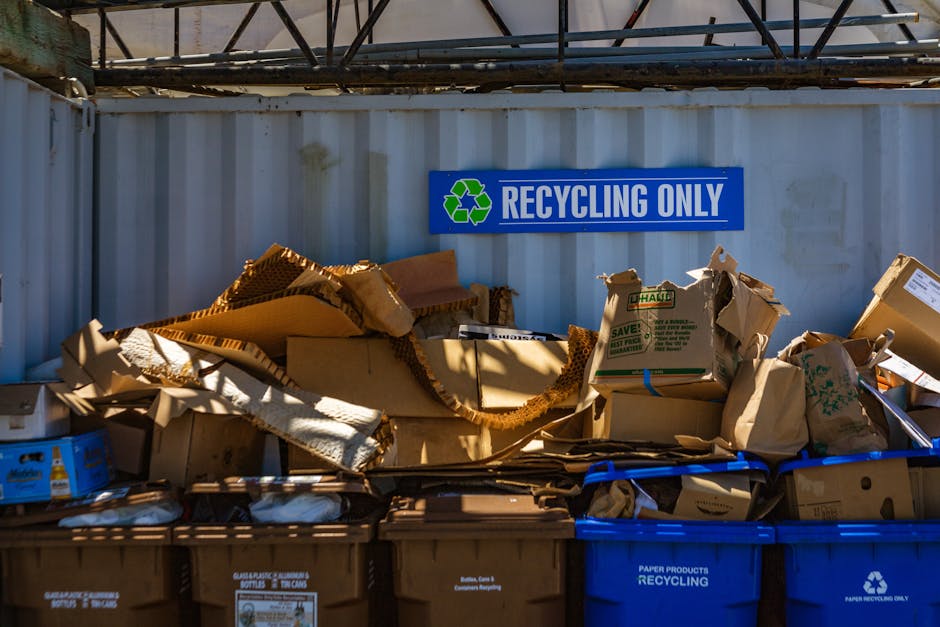
Cardboard looks simple, but in practice it creates a few common headaches. It bulks up fast, takes up precious space in flats or small homes, and becomes awkward once it gets damp or contaminated. If you leave it too long, the pile suddenly looks less like "a few boxes" and more like a mild moving crisis.
That is why finding the right cardboard recycling route near Hendon Park matters. You want a solution that is easy to access, accepted by the destination, and suitable for the quantity you have. For a couple of flattened parcels, a nearby recycling point may be enough. For a business refit, an office move, or a large household clear-out, a more structured collection or clearance plan can save time and avoid repeat trips.
There is also a sustainability angle. Cardboard is one of the easier materials to recycle when it is kept clean and dry, but it loses value quickly if mixed with food waste, plastic, tape, or polystyrene. Good sorting helps keep the material in the right recycling stream instead of sending it to disposal unnecessarily.
If you are managing cardboard alongside old furniture, archive boxes, or mixed office waste, a broader service such as office clearance support can be more efficient than tackling every material separately.
How where to recycle cardboard near Hendon Park Works
In simple terms, cardboard recycling works best when you separate the clean fibre from anything that contaminates it. Most local recycling routes are designed to accept corrugated cardboard and paper-based packaging, but not everything that looks like cardboard is actually suitable.
Here is the usual process:
- Sort the cardboard into clean, recyclable pieces and anything that is wet, greasy, wax-coated, or heavily laminated.
- Flatten the boxes to reduce volume. This matters more than people think, especially if you are carrying them in a car or storing them temporarily.
- Remove obvious contaminants such as food residue, plastic inserts, bubble wrap, foam, and loose tape where practical.
- Check acceptance rules for the location or service you plan to use. Different operators can have slightly different rules for oversized boxes or special packaging.
- Deliver or arrange collection through the most suitable route for the amount of material you have.
One useful distinction: some cardboard is "household-style packaging" and some is "bulk or commercial cardboard." A few boxes after a delivery are one thing. Several bin bags full of flattened cartons from a shop relocation are another. The right route depends on scale, not just material type.
For businesses, especially those with regular packaging waste, it can be worth looking at business waste removal rather than relying on ad hoc disposal. That tends to be more predictable and keeps your site clearer day to day.
Key Benefits and Practical Advantages
Recycling cardboard properly is not just about being environmentally minded, although that is a big part of it. There are several practical advantages that make it worthwhile for households, landlords, offices, and tradespeople alike.
- Less clutter at home or work: flattened cardboard stacks neatly and is easier to store temporarily.
- Lower disposal hassle: separating cardboard from mixed waste means fewer overloaded bins and less last-minute scrambling.
- Cleaner premises: piled-up boxes attract mess, collapse awkwardly, and can make rooms feel unfinished.
- Better recycling outcomes: clean cardboard is easier to process than contaminated material.
- More efficient clear-outs: if cardboard is dealt with early, the rest of a clear-out often feels more manageable.
There is a quieter benefit too: good waste habits reduce decision fatigue. Once you know what to do with packaging, you stop wasting time wondering whether each box belongs in the recycling, general rubbish, or a separate collection.
Expert summary: the best cardboard recycling option is not always the nearest one. It is the one that matches the volume, condition, and timing of your waste.
For larger home projects, cardboard recycling also pairs naturally with other services such as home clearance or house clearance, especially after a move or renovation.
Who This Is For and When It Makes Sense
This topic is relevant to a lot of people, not just those who actively collect packaging. In our experience, the need usually shows up at specific moments:
- New movers dealing with appliance boxes, wardrobe cartons, and parcel packaging.
- Flat residents who have limited storage and need cardboard gone quickly.
- Homeowners after deliveries, storage reshuffles, or seasonal decluttering.
- Small businesses with regular supply packaging.
- Offices replacing equipment, unpacking furniture, or clearing storerooms.
- Trades and renovators who are left with packaging after installing new materials or fixtures.
It also makes sense for anyone who has mixed recyclable materials but wants to keep cardboard separate enough to be accepted cleanly. That is especially useful if you are already sorting items for a clearance and do not want recyclable fibre mixed in with general waste.
If your project is broader than cardboard alone, it can be more efficient to combine it with a service like flat clearance or furniture clearance. That way, the boxes, broken-down packaging, and bulky items all leave together in one organised process.
Step-by-Step Guidance
If you want a straightforward plan, use this sequence. It works whether you are clearing a few delivery boxes or a much bigger pile.
1. Separate cardboard from other packaging
Put cardboard in one pile, plastic film in another, and foam or polystyrene in a third. The more you separate now, the less time you spend undoing a messy pile later.
2. Check for contamination
Grease from food boxes, damp patches, wax coating, and heavy contamination can make cardboard unsuitable for standard recycling. Pizza boxes are the classic example: sometimes the clean top section can be recycled, while the greasy base cannot. If in doubt, err on the side of caution.
3. Remove non-cardboard attachments
Take off tape where it is easy to do so, and remove inserts, plastic windows, and loose packing materials. You do not need to make the boxes look brand-new; you just need them clean enough to be processed well.
4. Flatten and stack
Flattening saves a surprising amount of space. A tidy stack is easier to carry, easier to store, and far less likely to collapse while you are moving it.
5. Choose the right recycling route
For a small amount, a nearby local recycling option may be sufficient. For larger or heavier loads, a collection, waste transfer route, or clearance service may be the more practical answer.
6. Keep a final eye on mixed materials
If the cardboard came from an office move or home upgrade, you may also have old chairs, broken furniture, or miscellaneous waste. At that point, it is worth considering a combined collection rather than leaving one category behind. The company's furniture disposal service can be useful if the cardboard is only one part of the job.
Expert Tips for Better Results
A few small habits make the whole process smoother.
- Keep cardboard dry. Once boxes get soggy, their recycling value drops fast.
- Flatten before transport. This is the simplest way to reduce the number of trips you need to make.
- Store it indoors if possible. A covered hallway or dry storage corner is better than an exposed outdoor pile.
- Separate tape and plastic where practical. You do not need perfection, but you do need reasonable cleanliness.
- Plan around collection timing. A pile that sits for two weeks creates far more inconvenience than one dealt with promptly.
- Keep an eye on volume. What looks like a small stack can become awkward once you start folding it down.
One local observation: cardboard tends to accumulate in bursts. A delivery week, a tenancy change, or a furniture upgrade can suddenly generate a lot of packaging at once. Once you notice that pattern, it becomes easier to plan ahead rather than react in a rush.
If you are trying to avoid repeated lifting or several trips, a service area page such as Hendon waste removal may be a practical fit, especially for mixed loads.
Common Mistakes to Avoid
Most cardboard recycling problems come from a handful of avoidable errors.
- Leaving food residue on boxes: greasy or dirty cardboard can be rejected.
- Mixing everything together: when cardboard is buried under general waste, it is harder to recover.
- Storing boxes in wet conditions: rain and damp can turn useful packaging into a soggy problem.
- Assuming all "paperboard" is the same: coated or laminated materials may not be treated the same way as plain cardboard.
- Overfilling the car: large flattened boxes can be awkward and unsafe if not secured properly.
- Ignoring local rules: acceptance criteria can vary depending on the facility or collection method.
The most common mistake, frankly, is underestimating the volume. One delivery box is manageable; ten broken-down delivery boxes can take over an entrance hall before you know it.
If you are managing waste from a larger project, a properly planned route through pricing and quotes can help you decide whether a one-off collection or a broader service is more economical.
Tools, Resources and Recommendations
You do not need specialist equipment to recycle cardboard well, but a few basic tools make it easier.
| Useful item | Why it helps | Best for |
|---|---|---|
| Stanley knife or box cutter | Speeds up flattening and tape removal | Large delivery boxes |
| Reusable gloves | Helps with rough edges and dusty packaging | Bulk sorting |
| Strong bags or ties | Keeps flattened boxes bundled neatly | Transporting cardboard |
| Dry storage area | Prevents damp and contamination | Short-term holding |
| Vehicle boot or van | Makes local drop-off easier | Small to medium loads |
For more structured disposal planning, these resources can help you think beyond the cardboard itself:
- Recycling and sustainability guidance for a wider waste plan.
- About the company if you want to understand the local service approach.
- Contact the team for practical next-step advice.
- Insurance and safety information if you are booking a collection.
That combination of guidance and service detail is often what helps people move from "I need to deal with this" to actually getting the boxes out of the way.
Law, Compliance, Standards and Best Practice
For cardboard recycling, the main compliance issue is usually not complexity; it is careful segregation and responsible handling. In the UK, businesses in particular should pay attention to how waste is stored, separated, and transferred, because commercial waste duties are more structured than casual household disposal.
In plain English, best practice usually means:
- keeping recyclable cardboard as clean as reasonably possible,
- avoiding contamination with food, liquids, or mixed refuse,
- using a legitimate and appropriate waste route,
- and keeping basic records where required for business waste handling.
Households generally have simpler expectations, but the same principles still apply. Clean, dry cardboard is more likely to be accepted and properly recycled. Mixed or contaminated cardboard is more likely to create problems further down the line.
If your cardboard is part of a commercial clearance, you may also want to review business waste removal options and the company's health and safety policy. Those pages are useful if you want reassurance around handling, transport, and site conduct.
Best practice in one sentence: keep recyclable cardboard separate, dry, and easy to collect, and you will avoid most common disposal problems.
Options, Methods, and Comparison Table
There is no single "best" answer for everyone. The right method depends on how much cardboard you have, where you live, and whether you are dealing with mixed waste.
| Option | Best for | Pros | Limitations |
|---|---|---|---|
| Local recycling point | Small household amounts | Simple, usually low friction | May require transport and sorting |
| Curbside recycling, where available | Routine cardboard from home | Convenient and regular | Space limits and collection rules apply |
| Commercial or bulk collection | Businesses, shops, offices | Efficient for larger volumes | May involve booking and cost |
| Mixed waste clearance | Clear-outs with cardboard plus other items | One job, one pickup | Not every material will be recycled separately |
For many people near Hendon Park, the decision comes down to this: if the cardboard is clean, light, and easy to carry, a recycling point may be enough. If it is part of a larger clear-out, or you simply do not want to make repeated trips, a scheduled collection can be the more sensible route.
Case Study or Real-World Example
Imagine a family in a flat near Hendon Park after receiving a new bed, wardrobe, and a couple of online deliveries. By the end of the week, they have several large cardboard boxes, plastic wrap, and some old packaging from previous purchases. The hallway is starting to feel cluttered, and the boxes are too bulky to ignore.
The practical approach would be:
- Flatten the clean cardboard immediately.
- Separate the plastic wrap and any foam.
- Check which boxes are clean enough for recycling.
- Bundle the cardboard securely.
- Decide whether the load is small enough for a local drop-off or large enough to justify collection.
Now compare that with a small office that has just replaced desks and printers. The cardboard load is bigger, but there are also old accessories, packaging from furniture, and some non-cardboard office waste. In that situation, a targeted clearance service is often more efficient than trying to recycle every item piecemeal. A page like office clearance in Hendon is the kind of practical next step that suits this scenario.
The key lesson is simple: the "best" route changes depending on quantity and context. Cardboard recycling is easy when you plan it as part of the whole clear-out, not as an afterthought.
Practical Checklist
Use this checklist before you decide where to take your cardboard or whether to book a collection.
- Is the cardboard clean and dry?
- Have you removed obvious food residue or contamination?
- Are plastic inserts, bubble wrap, and foam separated out?
- Have you flattened the boxes to reduce volume?
- Do you know whether the load is household-sized or bulk-sized?
- Have you checked whether your chosen destination accepts this type of cardboard?
- Do you need a simple drop-off, a collection, or a broader clearance?
- Are there other unwanted items that should be dealt with at the same time?
If you can answer "yes" to most of those points, you are probably in good shape. If not, a little more sorting now will save you a lot of irritation later.
Conclusion
Finding where to recycle cardboard near Hendon Park is usually straightforward once you know what you are dealing with. Clean, dry cardboard is easy to manage. Dirty, damp, or mixed packaging needs more care. And once the pile becomes large, a collection or clearance service can be the smartest choice.
The main thing is not to overcomplicate it. Flatten the boxes, separate the contaminants, choose the right route for the volume, and keep the bigger picture in mind if you are dealing with a full clear-out. That approach is efficient, tidy, and far less stressful than letting cardboard build up in the corner for another week.
If you are ready to clear space and want a practical next step, explore the local service options, compare what suits your load, and book when it makes sense for you.
Get a free quote today and see how much you can save.
Frequently Asked Questions
Can I recycle cardboard that has packing tape on it?
Usually yes, if the tape is a small amount and the cardboard is otherwise clean. Removing large strips of tape where practical is better, but minor tape residue is common.
Are pizza boxes recyclable near Hendon Park?
Often only the clean sections are suitable. Greasy, food-soiled parts can contaminate the load, so it is best to separate clean cardboard from dirty sections.
What should I do with cardboard that got wet in the rain?
Light dampness may not always be an issue, but soggy or weakened cardboard is much less desirable for recycling. Dry it if possible; if it has deteriorated badly, it may need another route.
Do I need to flatten all cardboard before recycling it?
Flattening is strongly recommended because it saves space and makes transport or collection much easier. It also helps keep the load tidy and manageable.
Where can businesses recycle large amounts of cardboard?
Businesses often do better with a commercial waste or bulk recycling service, especially if cardboard arrives regularly. That tends to be more efficient than taking small loads by hand.
Can I put cardboard in general waste?
You usually should not if it can be recycled cleanly. Using the recycling route is the better option for usable cardboard, and it helps reduce unnecessary disposal.
Is all cardboard accepted the same way?
No. Corrugated cardboard, paperboard, coated packaging, and laminated materials may be treated differently depending on the destination. Always check the acceptance rules if you are unsure.
What if my cardboard is mixed with plastic packaging?
Separate the materials before disposal if possible. Cardboard is easier to recycle when it is kept apart from plastic film, foam inserts, and other non-paper packaging.
Is a collection service worth it for just a few boxes?
For only a few boxes, a local recycling route is usually enough. A collection service becomes more worthwhile when volume, transport, or mixed waste makes the job awkward.
How can I tell if I need a full clearance instead of simple recycling?
If the cardboard is part of a bigger clear-out with furniture, household junk, or office waste, a full clearance is often the better option. It keeps everything moving in one organised process.
Does the company handle recycling responsibly?
You should always check service details, policies, and recycling commitments before booking. Reading the company's sustainability and safety information is a sensible way to confirm the approach.
What is the fastest way to deal with a large pile of boxes after moving?
Flatten them immediately, separate the packaging materials, and decide whether the volume is small enough for a drop-off or big enough to justify a collection. Acting early is usually the quickest route.